Expanding your living space with a beautiful patio enclosure is a dream for many Charlotte homeowners, offering a serene retreat or a vibrant space for entertaining. Beyond the aesthetic appeal and added functionality, a common question arises: how will this addition affect my monthly energy bill? The answer, while nuanced, leans heavily towards positive outcomes when the enclosure is designed and built with energy efficiency in mind.
Understanding Heat Transfer and Patio Enclosures
To grasp the energy implications of a patio enclosure, it's essential to understand how heat moves in and out of your home. Homes gain heat from the sun and warm outdoor air, and lose heat to cooler outdoor air. Your HVAC system works continuously to maintain a comfortable indoor temperature by counteracting these natural heat transfers.
The Greenhouse Effect and Mitigation
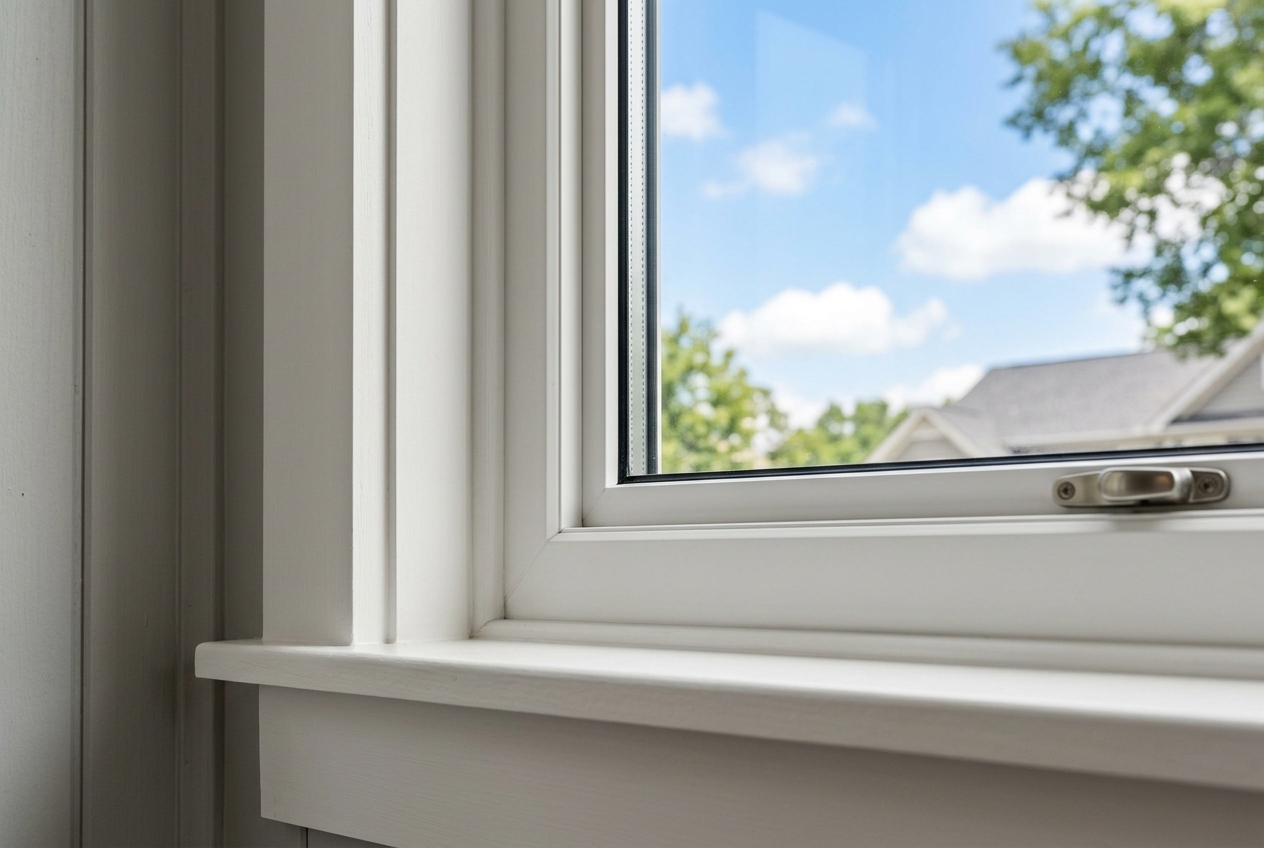
A primary concern with any glass-enclosed space is the 'greenhouse effect' – sunlight entering through glass and warming the interior. While this can be a benefit during cooler months (passive solar heating), it can also lead to excessive heat gain in summer. Modern patio enclosures are designed to mitigate this. High-performance windows, such as those with Low-E coatings or double-pane insulated glass, are crucial. These technologies allow visible light to pass through while reflecting a significant portion of the infrared (heat-carrying) spectrum, keeping the space cooler in summer and warmer in winter.
Insulation and Sealing as a Buffer
A well-constructed patio enclosure acts as a buffer zone between your conditioned indoor space and the outdoors. By adding this transitional area, the main house doesn't directly face the extreme outdoor temperatures. The enclosure itself, when properly insulated in its roof, walls (if applicable), and floor, along with meticulous sealing around windows and doors, significantly reduces the thermal transfer. This means less hot air infiltrates in summer and less warm air escapes in winter from your main living areas.
Energy Savings Mechanisms
The energy efficiency of a patio enclosure isn't just about preventing heat gain or loss; it also involves leveraging natural elements to reduce reliance on your home's mechanical systems.
Reduced HVAC Load
Perhaps the most significant impact on your energy bill comes from reducing the workload on your heating, ventilation, and air conditioning (HVAC) system. In Charlotte's humid summers, your air conditioner works hard. A well-insulated and sealed patio enclosure can mean your main AC unit doesn't have to work as strenuously to cool adjacent rooms. Similarly, in the cooler winter months, the enclosure provides an extra layer of insulation, reducing heat loss from your home and potentially lowering your heating costs. The enclosure essentially creates a milder microclimate next to your home.
Natural Light and Passive Solar Heating
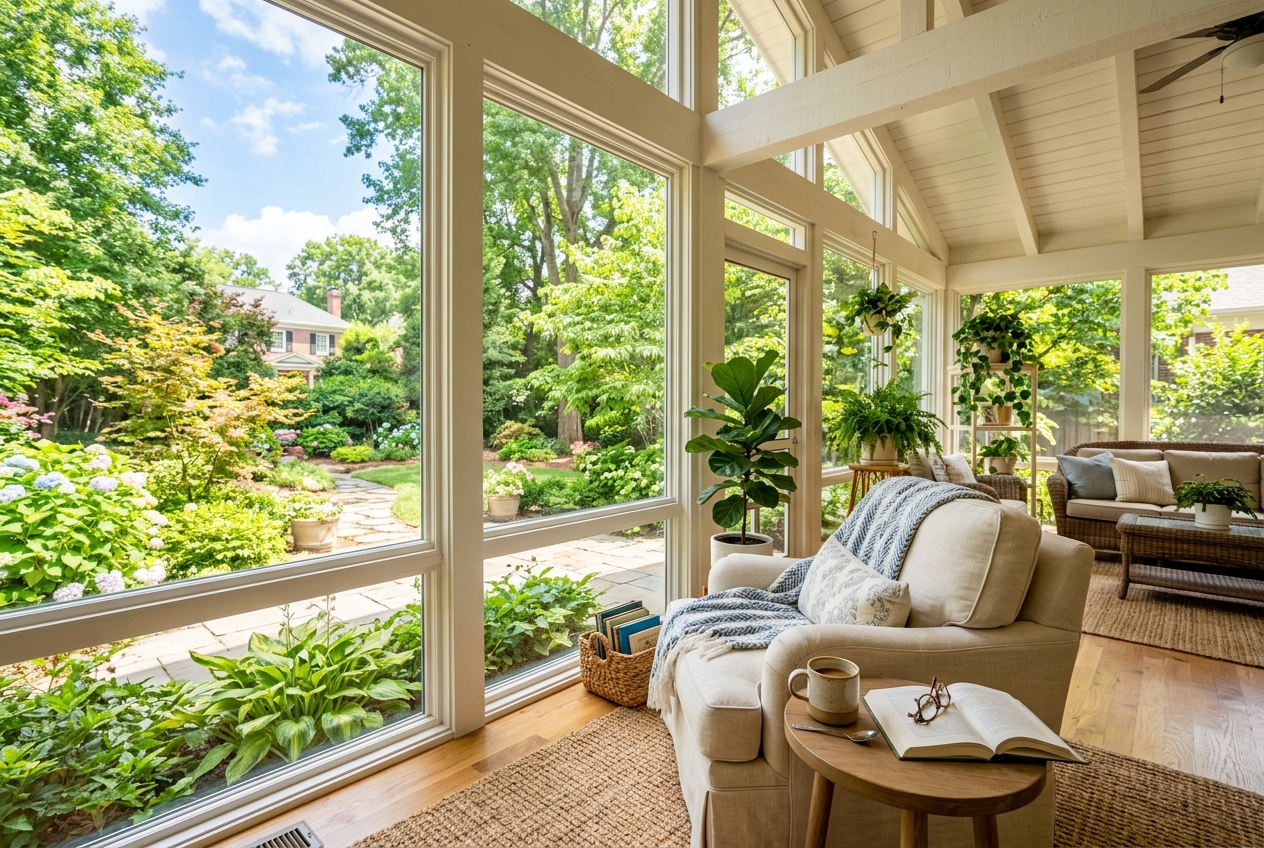
Patio enclosures are masters of natural light. By maximizing daylight entry, you can reduce the need for artificial lighting in both the enclosure and adjacent interior rooms, leading to lower electricity consumption. During colder periods, a south-facing enclosure can harness passive solar heating. Sunlight warms the enclosure, and some of that warmth can naturally radiate into your home, providing supplemental heat and taking some strain off your furnace. This intelligent use of natural energy can translate into noticeable savings.
Choosing the Right Enclosure for Energy Efficiency
Not all patio enclosures are created equal when it comes to energy performance. Strategic choices during the planning and construction phases are paramount.
Material Matters: Windows, Framing, and Roofing
The choice of materials is critical. Opt for windows with high R-values (a measure of thermal resistance) and low U-factors (a measure of heat transfer). Double-pane or triple-pane glass with inert gas fills (like argon) and Low-E coatings are ideal. The framing material also plays a role; thermally broken aluminum, vinyl, or composite frames offer better insulation than standard aluminum. For the roof, insulated panels or high-performance glass with shading properties can prevent excessive heat gain from above.
Professional Installation is Key
Even the highest quality materials will fail to deliver optimal energy performance if not installed correctly. Air leaks around windows, doors, and seams can negate the benefits of insulation and efficient glass. Professional installation ensures that all components are properly sealed, insulated, and integrated seamlessly with your existing home structure. This is where the expertise of companies like Green Exterior Remodeling becomes invaluable. Our team understands the local climate and the best practices for building energy-efficient additions that stand the test of time.
Beyond Energy: Added Value
While energy savings are a compelling benefit, a patio enclosure offers much more. It expands your usable living space, provides a year-round connection to the outdoors, and can significantly enhance your home's market value. The comfort and versatility it adds to your lifestyle are benefits that extend far beyond the utility bill.
In conclusion, a thoughtfully designed and expertly installed patio https://taylored-lawns.lowescouponn.com/lighting-solutions-for-your-charlotte-patio-enclosure enclosure can indeed have a positive impact on your Charlotte energy bill. By acting as a thermal buffer, reducing HVAC load, and harnessing natural light and passive solar heating, it can contribute to a more energy-efficient home. For residents in Charlotte considering such an upgrade, Green Exterior Remodeling offers tailored solutions, combining quality materials with skilled craftsmanship. Our commitment to excellence ensures that your investment with Green Exterior Remodeling translates into both comfort and long-term energy efficiency.